Fable test
Endowment FAQs
An endowment is a dedicated source of long-term funding, made up of donated gifts, that supports the mission and work of a philanthropic organization like a university. Each year, a portion of the endowment is paid out as an annual distribution to fund the organization’s work. Any appreciation in excess of this annual distribution is retained in the endowment so it can grow and support future generations.
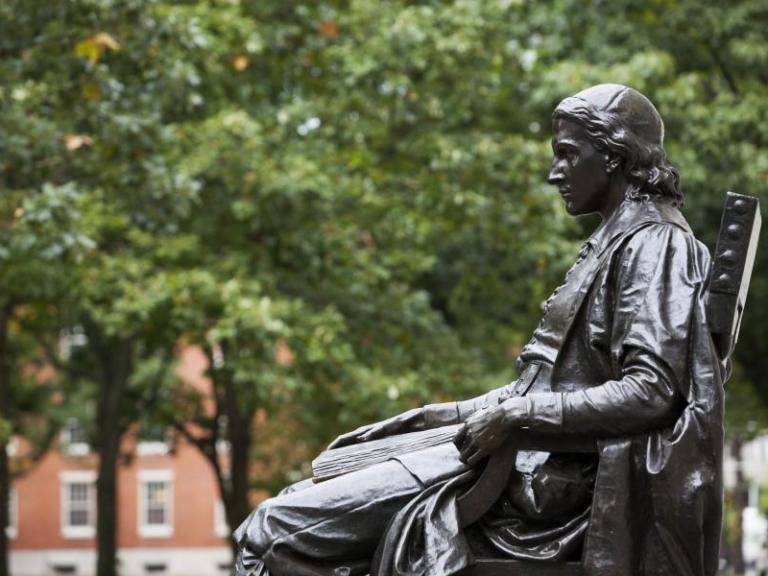
Harvard’s endowment is nearly as old as the University itself. In 1638, minister John Harvard of Charlestown died and left his library and half his estate to the recently established institution of higher learning that would become Harvard University. Since then, many more donors have contributed generously to Harvard’s endowment.
The endowment’s annual distributions are a critical source of funding for the University, making up more than a third of Harvard’s revenue each year, the largest single revenue stream. In this way, the endowment bridges the gap between revenue that is brought in from tuition and research grants, and the critical costs associated with the University’s teaching and research activities. To learn more about sources of operating revenue, please visit our Financial Overview page.
Many endowments, including Harvard’s, are structured to exist in perpetuity, meaning that the institution must continue to rely on the endowment’s earnings forever.
Because of this, our endowment is not only for today’s generation, but is for all future generations of Harvard students and scholars. Guided by this principle of intergenerational equity, Harvard’s endowment is carefully managed in order to ensure that future generations will enjoy its benefits just as much as the current one.
Harvard’s endowment is crucial to our excellence in teaching, learning, and research, as well as the University’s purpose-driven initiatives and partnerships on campus, in our neighboring communities, and all over the world.
Connected to a long tradition of philanthropy, the endowment supports an incredible range of activities and work, including student aid, faculty positions, groundbreaking research, the arts, community programs, and much more. The endowment’s support for operations enabled Harvard to grant $749 million in financial aid and scholarships in the 2024 fiscal year alone.
Harvard’s endowment is made up of approximately 14,600 individual funds, the majority of which are “restricted.” This means that donors have specified that their gift must support a particular aspect of the University’s work, from specific scientific research to named professorships and dedicated scholarships. These philanthropic gifts are critical to many areas of our work, each with a unique person and story behind it.
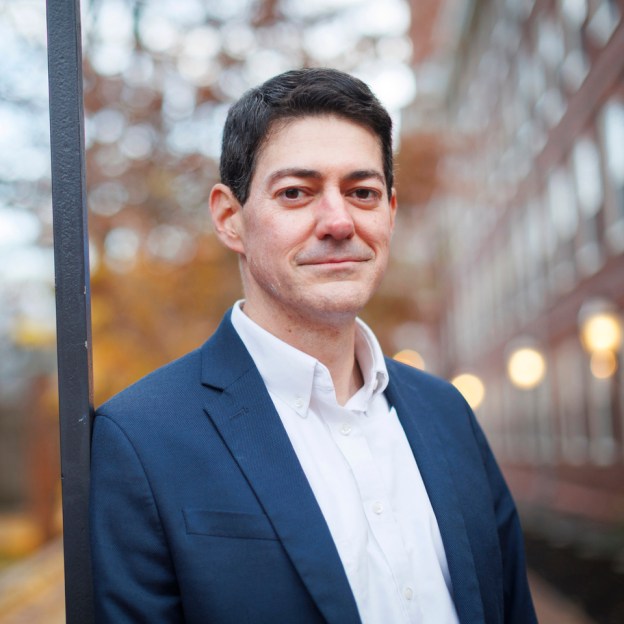
In a polarized society like ours, campuses are essential places to train and practice civility.”Eric Beerbohm, Harvard Faculty of Arts and Sciences’ senior adviser for civil discourse
![]()
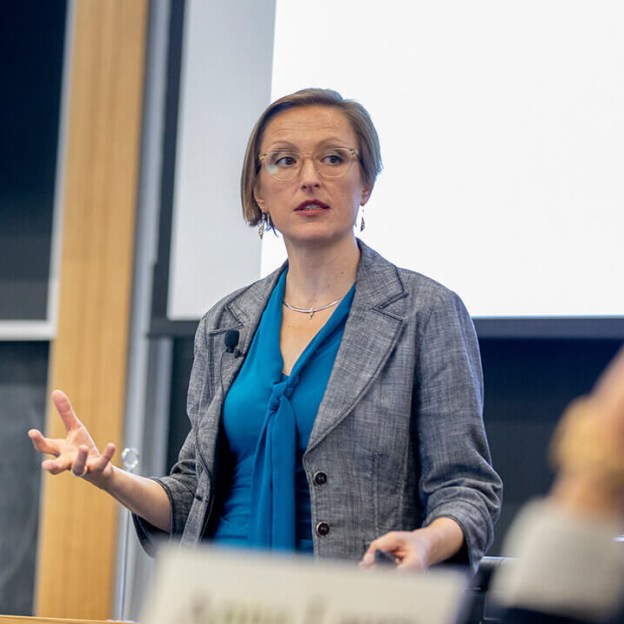
A pernicious problem confronting virtually all human societies is people’s unwillingness to engage with views and opinions they do not share.”Julia Minson, associate professor at Harvard Kennedy School
![]()
Photo courtesy of Jessica Scranton
1607: John Harvard, the College’s future namesake and first benefactor, was baptized at St. Saviour’s Church (now Southwark Cathedral), London.
1635: John Harvard received his M.A. from Cambridge University, England.
1636: First College in American colonies founded. The “Great and General Court of the Governor and Company of the Massachusetts Bay in New England” approves £400 for the establishment of “a schoale or colledge” later to be called “Harvard.”
1637: The Great and General Court orders the “colledge” established one year earlier to be located at Newetowne (renamed “Cambrige” in 1638).
Funding cuts to Harvard have a broad impact
Funding cuts to Harvard reverberate far beyond our campus. Each year, Harvard researchers partner with universities and hospitals across the country to utilize their expertise, gain new perspectives, and collaborate on solutions.
Recent funding cuts have impacted dozens of hospitals, universities, and research institutions across 32 states, from Morehouse School of Medicine to Cincinnati Children’s Hospital to Texas Biomedical Research Institute.